Why Subdivide?
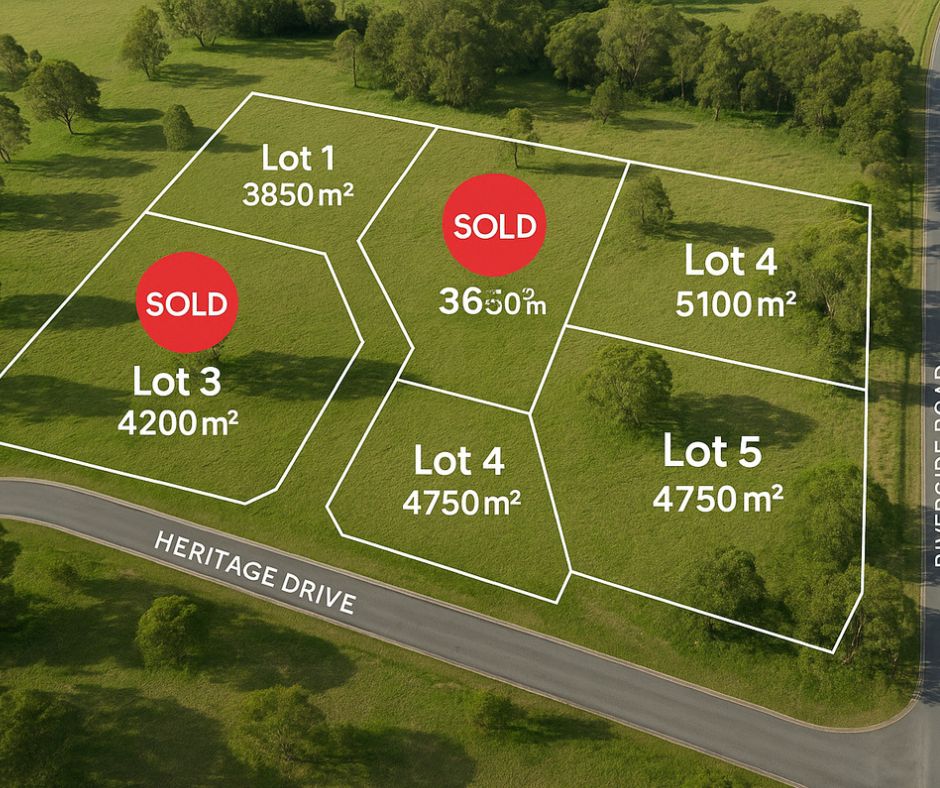
Subdivision is one of the most effective ways to unlock land value in New South Wales. By dividing a single parcel into multiple legal titles, owners create opportunities to sell, build, or develop while maximising returns.
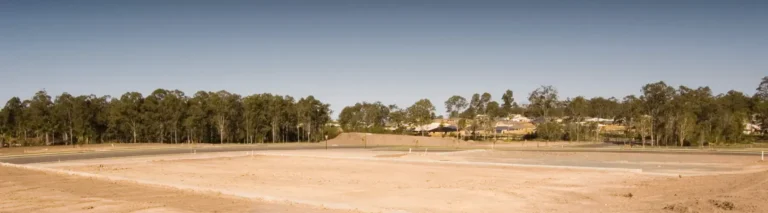
What many first-time landowners don’t realise is that subdivision goes beyond drawing survey lines. To create build-ready lots, you’ll often need earthworks, drainage, retaining structures, and service connections — all of which must meet strict planning and engineering standards.
Subdivision Pathways in NSW
- Torrens Title – The most common form, where each lot receives a separate land title. Suitable for detached homes and infill projects.
- Strata Subdivision – Typical for apartments or townhouses, combining individual ownership with shared common property.
- Community Title – Used for estates that include shared infrastructure such as private roads or open space.
- Stratum Subdivision – Less frequent, dividing vertical sections of a building (for example, retail below and apartments above).
The Planning & Approval Framework
Subdivision must satisfy both state and local planning rules. Key layers include:
- Local Environmental Plans (LEPs): Control zoning and minimum lot size.
- Development Control Plans (DCPs): Set requirements for lot layout, access, and landscaping.
- State Environmental Planning Policies (SEPPs): Apply to state-wide issues such as housing or infrastructure.
- Local Council: Manages approvals and issues subdivision certificates.
Critical Checks Before You Commit
- Zoning & Minimum Lot Size – Confirm your site’s zoning and whether the land area meets requirements.
- Site Constraints – Slope, flooding, bushfire risk, biodiversity overlays, and mine subsidence all influence design and cost.
- Services – Sewer, stormwater, water, power, and NBN must be legally and practically connected.
- Market Demand – Poor lot shapes or oversupply in an area can undermine resale.
The Subdivision Process
- Feasibility & Early Design – Survey, planning checks, and assessment of services and levels.
- DA or CDC – Most subdivisions require a DA; some small two-lot proposals may qualify for a CDC.
- Subdivision Works Certificate (SWC) – Approval for required civil works.
- Civil Construction – Earthworks, retaining, drainage, and utility connections.
- Subdivision Certificate – Issued after works are complete and compliant.
- Registration – NSW Land Registry Services issues new titles.
Engineering & Construction Factors
- Earthworks: Correct cut-and-fill avoids future drainage or building cost blowouts.
- Retaining Walls: Must be engineered to Australian Standards and designed for long-term stability.
- Stormwater: Easements, detention basins, or on-site detention may be required for lawful discharge.
- Access & Roads: Driveways and internal roads must meet council/RMS specifications.
- Utility Coordination: Separate approvals with providers (Hunter Water, Ausgrid, NBN, etc.) often dictate project timing.
Budget Considerations
Subdivision costs typically cover:
- Surveys and reports.
- Planning and engineering fees.
- Section 7.11/7.12 contributions.
- Civil works (earthworks, drainage, retaining, access).
- Certification and registration fees.
Allow for contingencies — rock excavation and service relocations are common surprises.
Timelines
- Simple two-lot subdivisions: usually 6–12 months.
- Larger/complex projects: 12–24 months.
Frequent Pitfalls
- Underestimating retaining wall costs.
- Ignoring shallow service depths or water tables.
- Assuming council timelines are fixed.
- Overlooking developer contributions.
- Marketing unformed lots without disclosure.
How Keevs Delivers
Successful subdivision is where planning meets construction. At Keevs, we integrate civil engineering with on-ground delivery to give clients a single, accountable partner.
Our services include:
- Bulk earthworks and pad preparation.
- Engineered retaining walls and stormwater systems.
- Roadworks, pavements, and driveways.
- Coordination with water, power, and communications providers.
Operating across Newcastle, the Hunter Valley, and the Central Coast, and backed by ISO-certified quality, safety, and environmental systems, we help landowners and developers achieve compliant, market-ready subdivisions from start to finish.